India's Tropical Cauliflower: Adapting for Growth
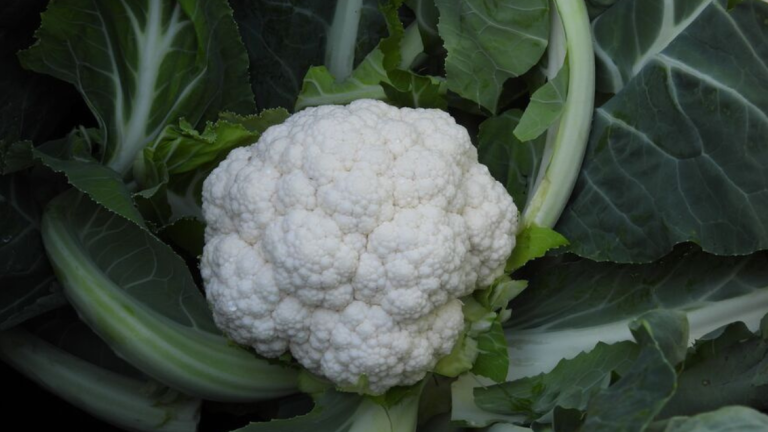
Innovation Focus: Solutions for Tropical Cauliflower Growers
India’s cauliflower cultivation is unique because production diversity presents significant challenges for growers. From cool high-altitude fields to warm plains, cauliflower is sown and harvested every day of the year. It is India’s main brassica crop, ahead of cabbage, radish and others, making the country a significant producer.
The agro-climatic challenges are highly complex. Growing conditions fall into three types: tropical (40% of production), sub-tropical (30%) and temperate (30%). Those categories have micro-segments: for example, “tropical” ranges from hot and dry in the northwest and parts of the south, to hot and humid in the east.
And that’s not all – in every segment and micro-segment, there are significant temperature fluctuations and other weather changes during a plant’s growing cycle. Sowing in tropical regions, for example, can take place in temperatures up to 40°C, but by the time curds form months later, it can be slightly cold with heavy rainfall. Conversely, in temperate areas, sowing can be done in 10°C, but by the time curds form it can be 30°C.
To cope with the demands of nature, growers need constant advancements in seed breeding and supporting expertise.
Adaptability Prevents Harvest Loss
As a leading brassicas seed supplier, Syngenta delivers adaptable cauliflower products.
“Temperature & rain tolerance is vital to prevent issues like rotting (e.g. soft rot), ricing (granular appearance) and tip burning (decay),” said Rahul Shivdhar, Syngenta Product Specialist Manager for South Asia.
“Our products can generally withstand fluctuations for reliable yields even in adverse weather.”
Good quality curds are also at the top of farmers’ & end consumer’s lists.
True-White Hybrid Coming from Syngenta
Syngenta has used advanced breeding genetics to produce a true-white hybrid coming on to the market in upcoming years. Traditionally, the whitest curds grow in temperate areas and parts of sub-tropical regions.
The new true-white hybrid will also suit tropical cultivation areas, the largest agro-climatic segment.
“This is going to be very exciting for growers across India seeking to fulfil demand from their customers for white appearance,” said Rahul.
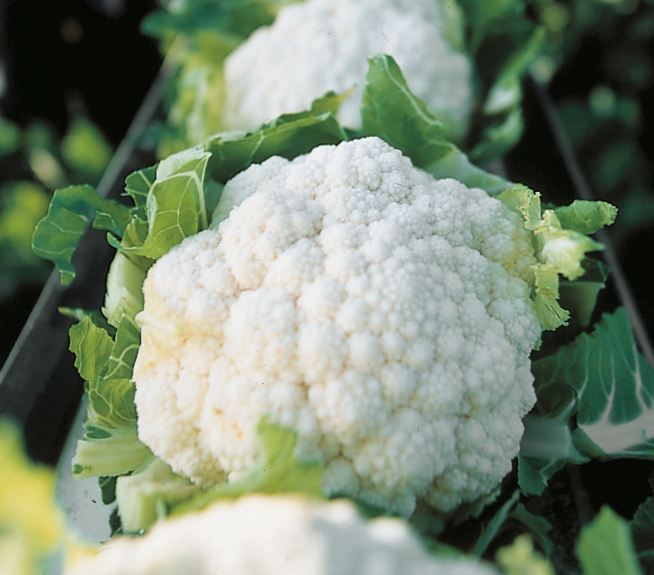
Syngenta has a robust short-term pipeline of enhancements. Growers require earlier curd formation for a shorter season and disease prevention, alongside compactness and higher yields.
Working Toward a Disease Tolerance Solution
Fungal disease is spreading from tropical areas to some sub-tropical and temperate areas. Because of this, Syngenta has a dedicated team fast-tracking varieties with increased tolerance to Alternaria, and other important diseases and pest challenges.

Syngenta’s R&D and seed breeders are working on solutions, expected in the medium-term for pests such as XCC (black rot), soft rot, and the diamondback moth.
Listening to Growers, Collaborating Globally
Syngenta's close ties with Indian growers, combined with global collaboration, accelerate innovation and market entry.
“We are very close to growers all across India,” said Rahul. “We understand their needs and our global organization allows us to react fast. Our R&D and seed breeding scientists collaborate with peers in China, and we have an international network driving seed production. In a nutshell, we are an innovation company, now and for the future.”
Find out more about Syngenta’s cauliflower products in your area.
Award-winning cauliflower
Syngenta is renowned globally for award-winning cauliflower innovation found in varieties like iStem®, Destinica™ and colored curds, which are available in various regions. iStem® is easy to grow and consumers can eat the entire vegetable. Destinica™ is true-white and the first cauliflower to produce 100% marketable heads. Syngenta’s colored cauliflowers including orange and purple are attractive and have added nutritional benefits.
© 2025 Syngenta. Some or all of the varieties may be protected under plant variety protection and or utility patents and must not be propagated or reproduced without express authorization from Syngenta. Product names featuring a ® or, the Syngenta Word Mark and the Syngenta logo are trademarks of a Syngenta Group.