How We Create the Best Fresh Market Sweet Corn
Sweet corn is a staple around the world. Fresh consumption provides consumers with many easy ways to enjoy the golden vegetable. But, when it comes to growing sweet corn, a lot goes into it. From meeting consumer preferences like color and brix to maintaining yield and disease resistance, Syngenta Vegetable Seeds ensures there is a variety for every grower’s needs.
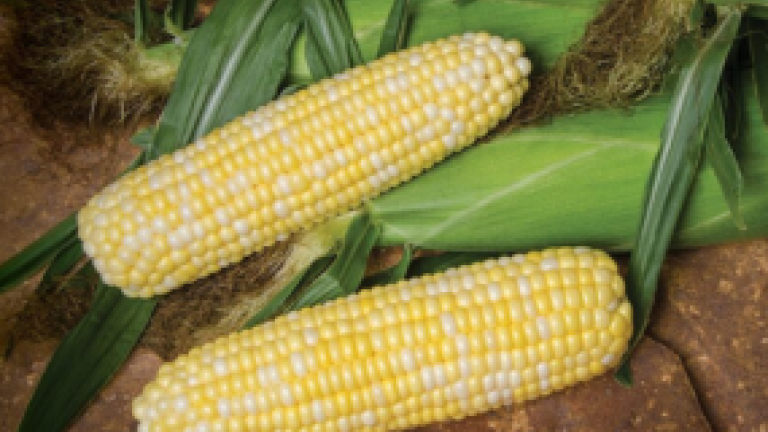
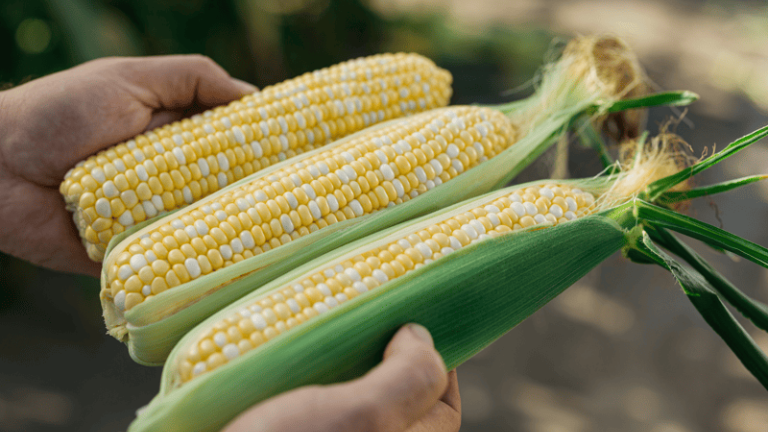
“With sweet corn, you’re buying with your eyes,” said Johnny Parker, Product Specialist U.S. Sweet Corn, Fresh. “And that’s the reason we are breeding for diversity in color with yellow, bicolor and white — in order to match the consumer preference.”

Playing this video requires a marketing consent.
Click anywhere on the video to renew your consents.
White sweet corn, popular in the U.S. and Mexico, is the result of breeding for a specific gene. In order to get white corn, growers must isolate the field from yellow sweet corn to avoid cross-pollination. Bicolor, a dual color corn, is a cross between white and yellow corn, resulting in a heterozygous plant.
While consumers buy with their eyes, the color doesn’t influence the taste. Instead, taste is heavily influenced by brix, sugar, content. Syngenta offers several different sugar content sweet corn varieties, including Sugar, Sugary Enhanced, SuperSweet, and TripleSweet.
“We are breeding for different levels of sweetness from sugary to triple sweet varieties in order to ensure every consumer is getting the sweet corn they prefer,” said Leith Plevey, Product Specialist Australia and New Zealand, Sweet Corn Fresh and Processing. In Australia, sweet corn grows 52 weeks per year.
No matter where corn is produced, the plants must withstand machine harvesting and shipping across the country, while still maintaining quality. Sugar content can convert to starch during transit, so varieties that maintain their brix levels during transit, storage and sale are essential.
“One of the things we’re looking for is a darker, deeper husk, so once it is harvested it will maintain that color longer,” Parker said. “Looking at overall shelf life, we’re trying to find varieties that will maintain their sugars without converting to starch, leading to a longer shelf life.”
Because of our global footprint, Syngenta has breeding and trialing programs in all climates around the world, including temperate and tropical. This means we find and select the best traits in each variety, ensuring growers have the ideal plant for their needs.
“We’ve been working really closely with the breeding team so we can start selecting for traits our customers and dealers are really looking for and I’m really excited because we’re starting to see those come down the pipeline,” Parker said.