Innovation Helps Protects Against Fusarium Losses
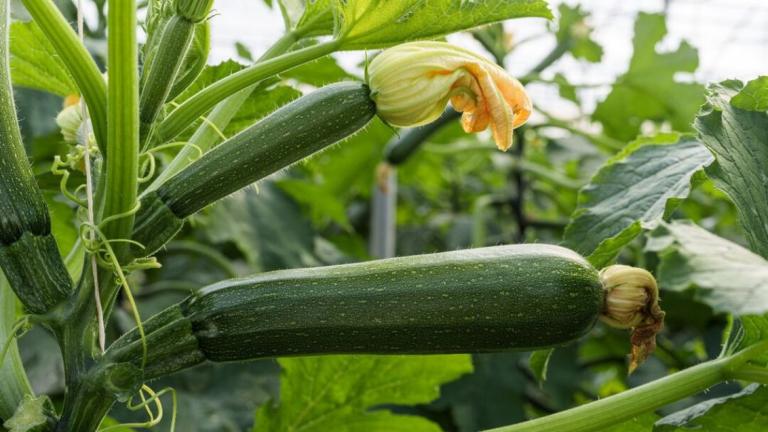
Most vegetable growers are probably familiar with Fusarium. The tell-tale signs of wilting, leaf yellowing and discolored vascular tissue can mean disaster for any grower. This severe crop disease can cause massive losses in commercial fields, greenhouses, tunnels and even residential gardens for a wide variety of vegetables. Identifying and preventing fusarium is the cornerstone of helping protect yield in vegetable crops.
Fusarium is a vascular disease that can occur in most soil types. It prefers warm, wet conditions. If no defense is available in a crop, the disease works by “essentially clogging the vascular system,” according to Utah State University. Once the plant has died, the fungal disease continues to take over.
Fusarium can survive in soil for many years, even when there is no host crop present. This makes identifying and infection and removing dead plants essential to management of this disease.
Playing this video requires a marketing consent.
Click anywhere on the video to renew your consents.
Scouting Tips
Symptoms of Fusarium are yellow or stunted leaves and wilting. Initially, wilting occurs on one side of a plant. It’s best to scout for fusarium during hot, sunny days, when the symptoms are most severe, according to University of Kentucky.
To confirm a Fusarium infection, remove a dying plant and its roots form the soil. Cut a cross-section on the stem, near the base of the plant. Brown discoloration of the vascular tissue is the key sign of a wilt disease like Fusarium. Plant pathologists can make an official diagnosis.
Prevention is Key
There is no cure for a Fusarium infection. Managing nematodes can help prevent Fusarium, as infections are often worse when associated with infestations of root-knot nematode. In the event of a severe infection, rotate to non-host crops for at least three years.
However, one of the most effective prevention methods is planting Fusarium-resistant varieties.
Innovations for Grower Success
Researchers at Syngenta Vegetable Seeds provide innovations to help growers tackle their most challenging problems. Through ongoing innovation, growers have access to the tools they need to deliver products that meet consumer expectations.
“The main goal for us is to provide you the larges chassis and the best resistance traits inside our pipeline in our varieties,” Thomas Dumont, lettuce product specialist manager at Syngenta Vegetable Seeds explains.
Syngenta Vegetable Seeds offers Fusarium-resistant varieties in a range of crops (check with local Syngenta representatives for information on races covered). Innovations include:
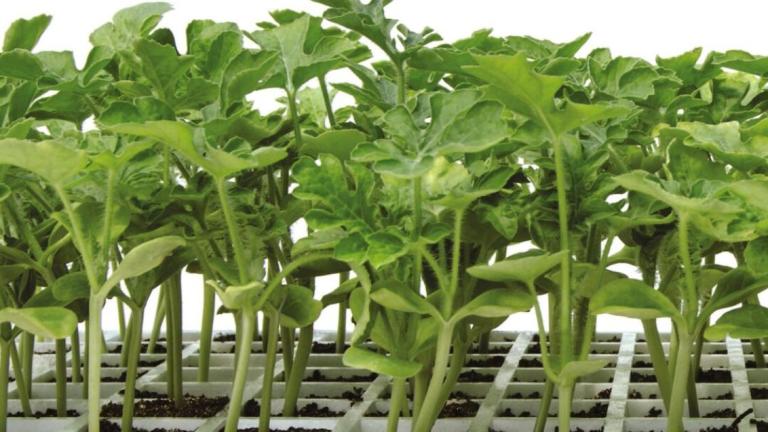
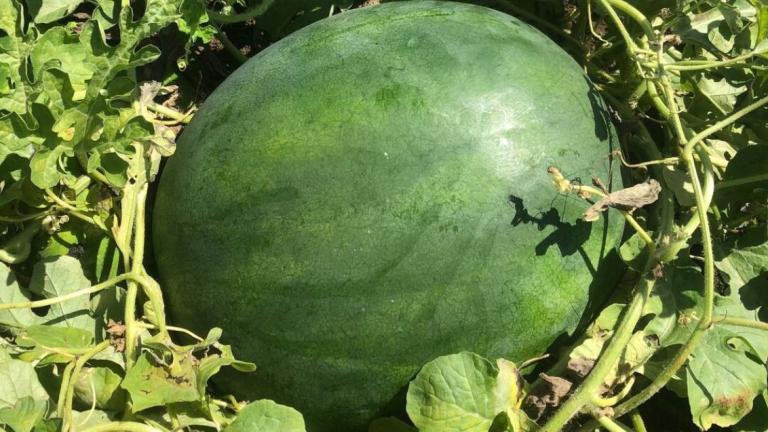
- Watermelon: Fusarium wilt race one is one of the main diseases Syngenta Vegetable Seeds breeds for in watermelon. Managing Fusarium is key to keeping crops healthy and increasing yield potential.
- Tomatoes: Fusarium-resistant rootstocks is one of many innovations in yield protection in tomatoes.
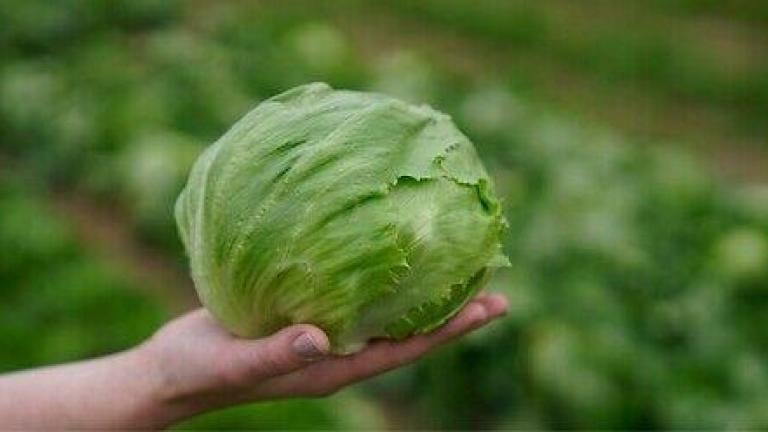
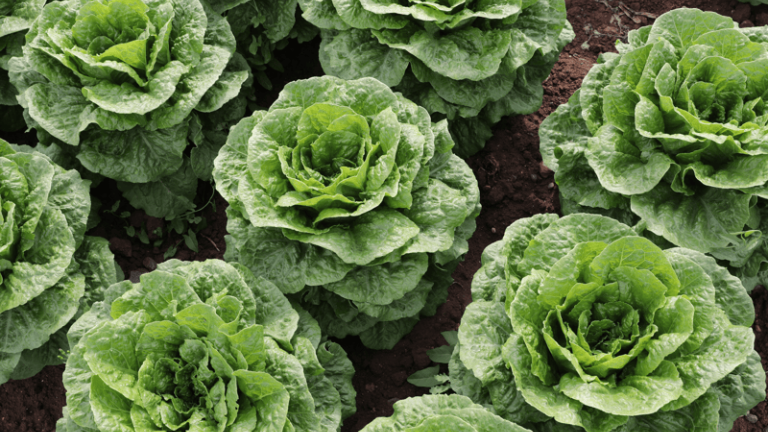
- Lettuce: While downy mildew remains one of the largest lettuce disease concerns, Fusarium is also a challenge growers must overcome through innovations in resistance.
With detailed scouting, preventive measures and innovations from Syngenta Vegetable Seeds, growers can protect their yield potential while delivering a product consumers demand.