
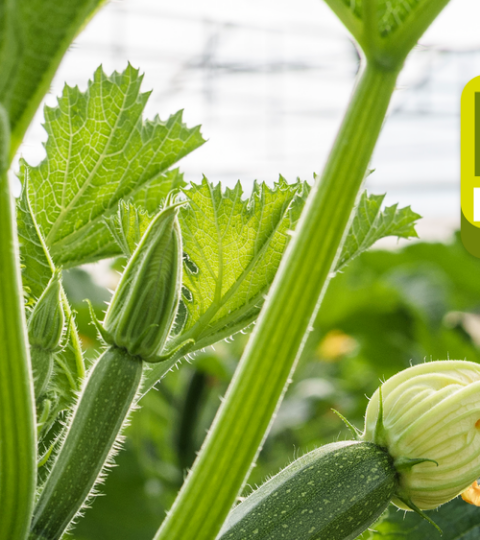
ToLCNDV resistance in cucurbits

Growers in key cucurbit production areas are looking for solutions for an emerging and rapidly spreading virus called Tomato Leaf Curl New Delhi Virus (ToLCNDV). Because of this, Syngenta has invested in creating solutions for three key crops.
Because of this investment, today there are varieties with resistance to this virus:
- In Cucumber, look for Siriana ToLCNDV-resistant cucumber.
- In Squash, look for Alpha or Delfos ToLCNDV-resistant squash.
- Follow Syngenta Vegetable Seeds for more information on Piel de Sapo melons as trials are conducted.
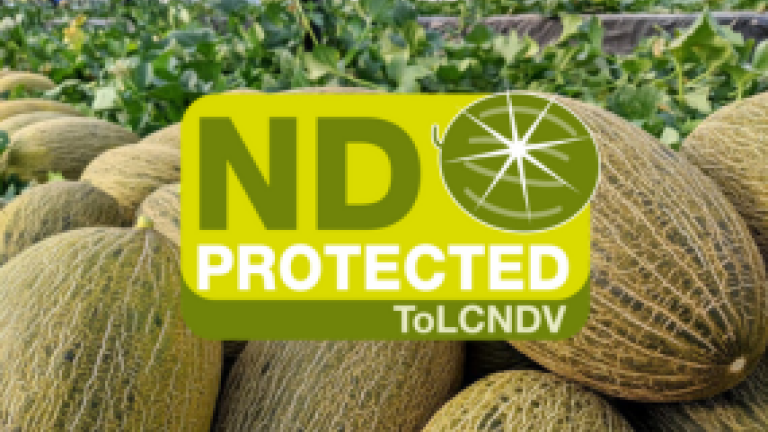
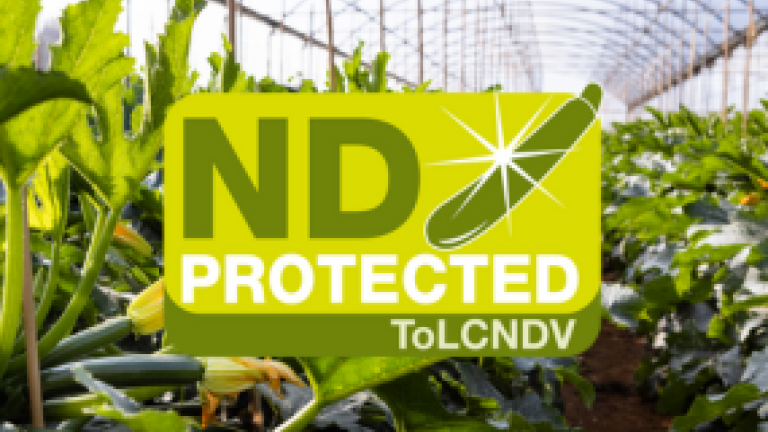
When researching for ToLCNDV-resistant varieties, look for the ND Protected seal to know you’re getting a variety from Syngenta Vegetable Seeds with resistance to Tomato Leaf Curl New Delhi Virus.
“We identified this virus as a potential issue for melon, squash, and cucumber crops years ago. Because of this, our research and development teams started working diligently to identify resistances in each of these crop types to support growers.”
- Pedro Pleguezuelo, Syngenta Portfolio Manager for Melon and Cucumber.



What is ToLCNDV?
ToLCNDV has been found in cucurbit species including squash, cucumber, and melon in key growing areas. It’s especially active in Italy and Spain, but it’s spreading rapidly.
Left unchecked, it can reduce yields and crop quality due to damage caused to leaves and fruits by symptoms of the virus.
Crop losses from ToLCNDV (also called New Delhi Virus) causes curled, crinkled leaves, vein swelling, yellow mottling, shortened plant height, and, worst of all, poor fruit set that indicates a near total crop loss in squash, melon, and cucumbers.
“This virus is widespread and especially active in the Mediterranean Basin,” said Peter Szungyi, Syngenta Vegetable Seeds Portfolio Manager for Watermelon and Squash.
The disease pressure can be high in open field environments, but viruses like ToLCNDV can be often found in protected crops where it can quickly spread and cause damage.
Spain, Italy, and Morocco have identified the biggest infestation of the virus, but it has been discovered in many additional areas where squash is grown.

Playing this video requires a marketing consent.
Click anywhere on the video to renew your consents.

Playing this video requires a marketing consent.
Click anywhere on the video to renew your consents.
Tomato Leaf Curl New Delhi Virus Solutions for Growers
“The number one priority for growers should be to prevent the virus vector from entering fields and tunnels, but we know that’s not always possible,” Szungyi said. “That’s why finding varieties with resistance is such a high priority.”
Whether the resistance to a pathogen is discovered by crossing elite materials or by crossing with related wild biotypes, the varieties developed and made available for growers must provide the same high yield potential, good plant characteristics and quality of fruit they’ve come to expect.
With the efficiency of a data-driven breeding methodology, Syngenta researchers can identify and select high potential parental lines to focus their efforts on developing New Delhi resistance and, in turn, offer more favorable varieties to the growers.
Sign Up For Updates from our Cucurbits Experts

“Preventing the ToLCNDV virus vector, such as whitefly, from entering fields and tunnels should be a top priority for growers, but we know that’s not always possible. Our assortment of ToLCNDV-resistant varieties gives growers another layer of protection against this damaging disease."
- Peter Szungyi, Regional Portfolio Manager for Squash
Related News
2026-03-04Innovation Impact
Ground-Breaking Zucchini with Downy Mildew Resistance
2026-02-04Innovation Impact
New Squash Varieties Bred for Profitability, Labor Reduction
2025-09-17Expert Insights
Breeder's Perspective: Protecting Squash Quality from Field to Store
Guillaume Menet
2025-03-05Innovation Impact
Disease Resistant, Consistent Zucchini Squash
2025-01-08Syngenta Updates
Syngenta Vegetable Seeds and Apricus Seeds Announce Exclusive Global Licensing Partnership
2024-12-24Expert Insights
The Rockstar Vegetable Breeder Behind Top-Selling Squash
2024-11-05Innovation Impact
Disease Resistant Squash Varieties Help Save Yield and Profit Potential
2024-08-17Expert Insights
Don't Skimp on Seed Health, It Could Cost You
2024-07-25Innovation Impact
Syngenta Debuts $15 Million Global Vegetable Seeds Quality Control Lab
2024-06-26Innovation Impact
Discover Piel De Sapo Melon with Tomato Leaf Curl New Delhi Virus Resistance
2023-10-23Innovation Impact
Syngenta Introduces Two New ToLCNDV Resistant Squash Varieties for Mediterranean Basin
2023-09-07Innovation Impact
Protect Cucumber Yield Potential Against Tomato Leaf Curl New Delhi Virus
Frequently Asked Questions about ToLCNDV
Learn More About Our Cucurbits Research
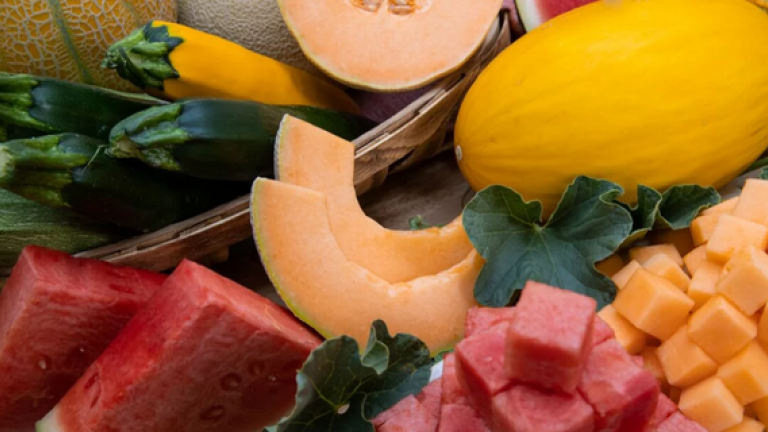
Syngenta’s watermelon, cantaloupe, cucumber, and squash varieties deliver fruit with dynamic adaptability and industry-leading disease resistance packages.
Why Rigorous Seed Testing is Critical for Growers
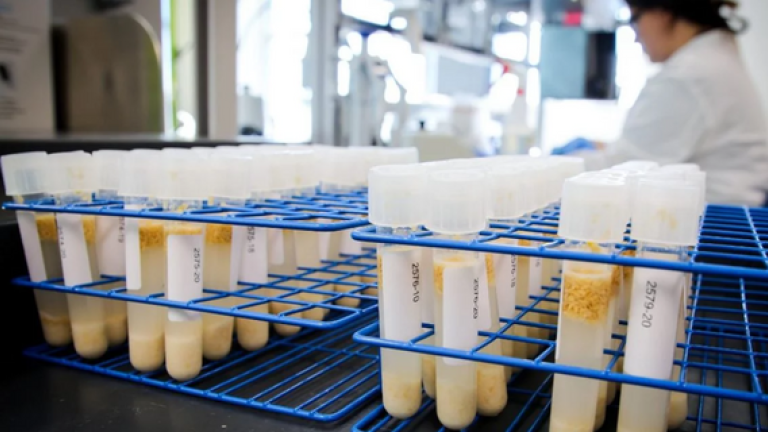
From the genetics in the seed, that provide high yield potential, to the seed treatments that protect the seed itself, seed health has power over your season.

Syngenta's ToBRFV Information Center
Syngenta is working tirelessly to help growers in the fight against ToBRFV. Learn about Syngenta's ToBRFV-resistant portfolio and tips for managing the disease.
Tomato Leaf Curl New Delhi Virus is a plant disease, a virus belonging to the genus Begomovirus, viruses transmitted by white fly Bemisia tabaci, producing high level of damages to our vegetable crops.
It was first detected in Solanaceae crops like tomato, eggplant, pepper, or potato. Since, ToLCNDV has rapidly extended to cucurbits crops in some countries in Asia, and later detected in some countries around the Mediterranean Basin in 2012.