Growers Need More From Every Iceberg Variety
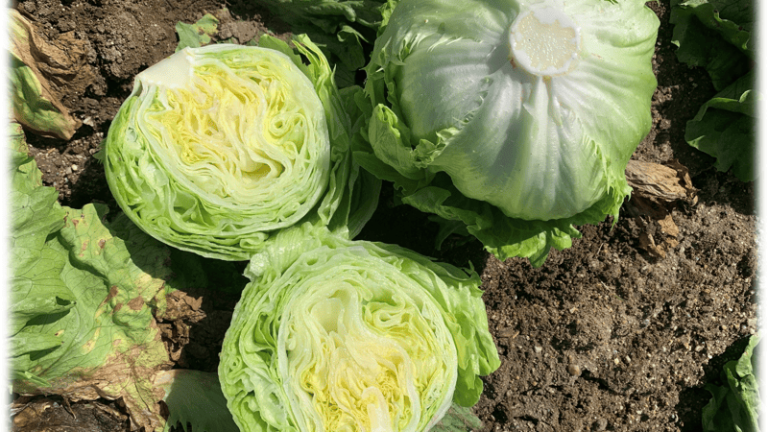
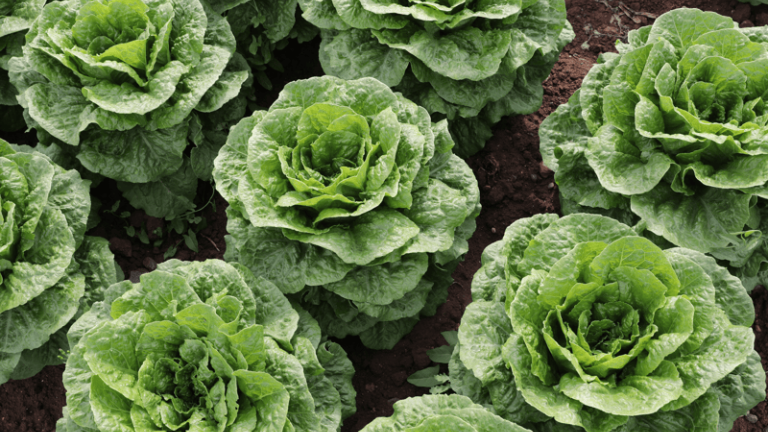
Iceberg lettuce is an everyday staple. But growing it is more complex than it looks, and success depends on getting every decision right.
The pressure on iceberg growers is rising with new races of fusarium wilt, downy mildew and other diseases constantly emerging. Meanwhile, growers need to maintain consistent quality and strong visual appearance.
Why is Growing Iceberg Lettuce so Complex?
In the Western United States iceberg production operates at a vast scale and level of complexity. The area from California to the Yuma region of Arizona - known as America’s salad bowl - supplies around 90% of Americans’ iceberg lettuce consumption. Consumer demand is strong and growers need to maintain high yield.
Iceberg production takes place year-round with growers shifting through diverse growing slots as conditions change. The region ranges from cool and moist to post-summer heat with seven different microclimates, each with seasonal variations.
Growers also serve dual sectors, the whole-head market or processing.
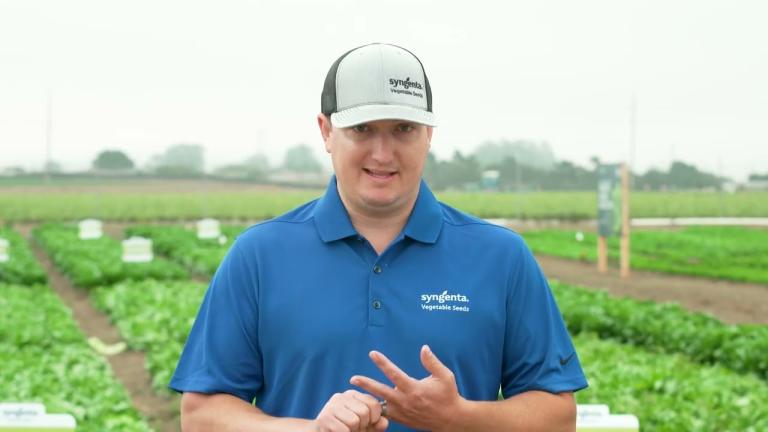
“All of these factors influence performance in the field. Variety choice needs to change throughout the year to match conditions and manage risk. Growers look to Syngenta to provide that choice,” said Justin Goodwyn, West leafy and brassica product specialist at Syngenta Vegetable Seeds.
Playing this video requires a marketing consent.
Click anywhere on the video to renew your consents.
Disease Resistance is the Top Priority
Disease resistance is a constant priority for growers. The main threat comes from evolving fusarium and downy mildew but the level of pressure varies by region, by season, and even by individual growing slot, making new threats harder to manage.
Syngenta applies its high level of expertise to continuously breed new varieties with enhanced resistance. However, disease resistance cannot come at the expense of yield or appearance.
“We aim to breed diverse varieties that integrate requirements for disease resistance, yield and appearance - producing varieties growers can trust in widely varying conditions,” said Goodwyn.
Syngenta Leverages Global and Local Know-How
Syngenta draws on global expertise informed by deep regional knowledge, ensuring varieties are developed with specific production environments in mind.
Teams from breeders to advisors, are highly present in the field conducting extensive field trials with growers, testing varieties in real farm conditions across multiple growing slots.
Syngenta also sits on the International Bremia Evaluation Board (IBEB), a specialized industry organization focused on identifying new races of downy mildew.
New Varieties for 2026 Meet Iceberg’s Emerging Needs
As of 2026, growers in the Western US can take advantage of the newly available varieties Fremont, Lucia and Ortega. They demonstrate how Syngenta is able to rapidly release adapted varieties effective against fusarium (race 1 in the US) and downy mildew (race 10 in the US).
Meanwhile, additional varieties are constantly coming down the pipeline.
“It takes multiple breeding and refinement efforts to get those types right so that the grower can rely on a clean field for harvest and a nice product in the bag,” said Goodwyn, who has been with Syngenta Vegetable Seeds for 13-plus years.
Syngenta Serves Growers Globally with Reliable Varieties
The Syngenta approach holds for iceberg growers across the world where different races emerge. Iceberg is a lucrative market that requires fast adaptation and precise planning - and Syngenta stays ahead of the game in every market it serves.
“We have to make sure that the products work well, and it is really complex, but that’s what we’re out there for,” Goodwyn concluded.
© 2026. Some or all of the varieties may be protected under one or more of the following: Plant Variety Protection, United States Plant Patents and/or Utility Patents and may not be propagated or reproduced without authorization. The Syngenta logo is a trademark of a Syngenta Group Company.