Future-Proofing Romaine: Next-Generation of INSV Protection
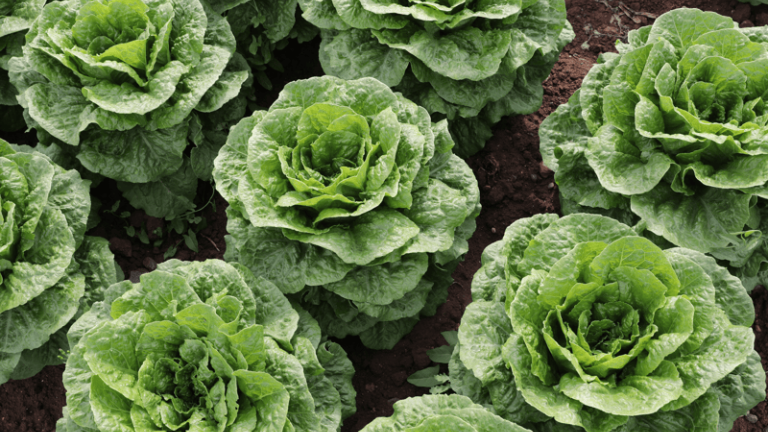
Romaine lettuce continues to grow in popularity - but growers are facing a particularly devastating threat from INSV (Impatiens Necrotic Spot Virus).
“INSV is very unforgiving. It can completely devastate a field with up to 100% total loss,” explained Mel Mekonnen, Syngenta lead breeder responsible for romaine varieties.
“INSV isn’t like other diseases such as Downy Mildew and Fusarium Wilt that primarily affect quality. Its ability to wipe out crops threatens grower and supplier livelihoods and consumers’ access to nutritious lettuce varieties.”
Today, INSV is a major challenge in the United States, particularly in the “salad bowl” region of coastal California during summer growing seasons.
Mel warned that INSV is also present in Latin America, including Mexico. And while INSV hasn’t yet been fully detected in Europe, it’s could be a significant future threat to European romaine lettuce production.

Playing this video requires a marketing consent.
Click anywhere on the video to renew your consents.
What is INSV?
INSV rides in on the wings of western flower thrips and causes leaf spotting, ringspots, mosaic patterns, mottling, distortion of new growth, stunting, and eventually plant death.
Syngenta’s Solution: Disease Resistance
Syngenta started breeding for INSV resistance early on. The first INSV-resistant variety, Stampede, launched in 2023. It’s now a popular solution for the industry.
Syngenta recently launched the next generation of Stampede varieties with improved agronomic characteristics in the U.S., called Renegade.
“Stampede offers high resistance at the seedling stage and intermediate resistance or good tolerance in field production,due to secondary diseases that can appear when plants are affected by INSV,” said Mel. “Stampede’s protection is better than total devastation experienced with susceptible varieties.”
Stampede and Renegade have high resistance to Downy Mildew and Tomato Bushy Stunt Virus (TBSV), as well as intermediate resistance to Fusarium Wilt race 1.
Beyond Disease Resistance: Key Agronomic Benefits
Stampede is particularly valuable thanks to its bolting tolerance during warm growing seasons.
Mel said: “Stampede’s bolting tolerance gives growers flexibility in harvest timing. Renegade offers a broader growing window.”
Both offer excellent stability, uniformity and weight, producing a traditional dark green romaine with golden internal coloring and straight ribs for packing without breakage.
Meeting Diverse Market Segments
Syngenta’s breeding strategy focuses on developing varieties that work across multiple market segments.
Premium romaine hearts sold in grocery stores. Straight ribs, good fill, internal density, and uniformity are critical factors.
Processing for chopped lettuce. Growers are paid by weight, making heavier varieties more profitable.
Whole head boxes for restaurants, where volume and larger size are priorities.
Stampede and renegade serve all three segments.
Grower-Driven Innovation
Syngenta's breeding strategy centers on grower feedback collected through field trials conducted on farms, said Mel.
This leads to continuous innovation, including the development of organic varieties in response to grower demand.
Another grower-requested improvement was developing varieties with solid mid-ribs, which provide up to 10% extra weight for processing markets and extended shelf life.
Future Outlook
New disease races and agronomic needs continually appear. Mel reassures growers and suppliers that Syngenta will continue to anticipate and provide solutions.
“With strong genetics, robust pipelines, and comprehensive trait packages, Syngenta is positioned to continue helping growers meet challenges as they emerge,” he added.
Performance results may vary based on local climate conditions, geographic location, soil type, and growing practices. Consult with your local agronomist or extension service for region-specific recommendations.
© 2026 Syngenta. Some or all of the varieties may be protected under one or more of the following: Plant Variety Protection, United States Plant Patents and/or Utility Patents and may not be propagated or reproduced without authorization. The trademarks or service marks displayed or otherwise used herein are the property of a Syngenta Group Company.