New Squash Varieties Bred for Profitability, Labor Reduction
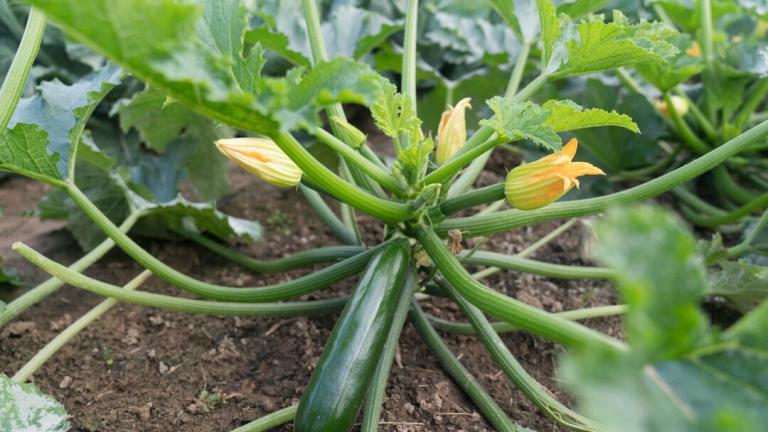
When Rebecca Wente-Naylor was harvesting a summer squash (green zucchini) field trial, she couldn’t believe how easy it was to pick the fruits.
“I used to evaluate my trials blind, and I could always tell which plot Bladerunner was because it was so much faster for me to harvest,” Wente-Naylor, Syngenta Product Specialist with years of experience in research and the field and based in the U.S., said. “I was really excited about it. One of the reasons we named it Bladerunner was because it cuts really nicely from the plant.”
Bladerunner, which came to market in the U.S. in 2024, is an example of how Syngenta is breeding new squash varieties to address the increasing shortage and cost of labor in squash. These new varieties improve profitability and help producers ensure supply of fresh squash even as the labor challenge worsens.
Playing this video requires a marketing consent.
Click anywhere on the video to renew your consents.
Squash Producers Under Pressure
Summer squash is the most labor-intensive vegetable to harvest, and an expensive crop to grow. Fruit must be hand-picked daily or every second day to ensure optimum yield and avoid waste. Leaving fruit too long drains the plant and mechanical harvesting isn’t an option. Producers must focus on maintaining efficient labor supply and on adopting faster-to-harvest varieties.
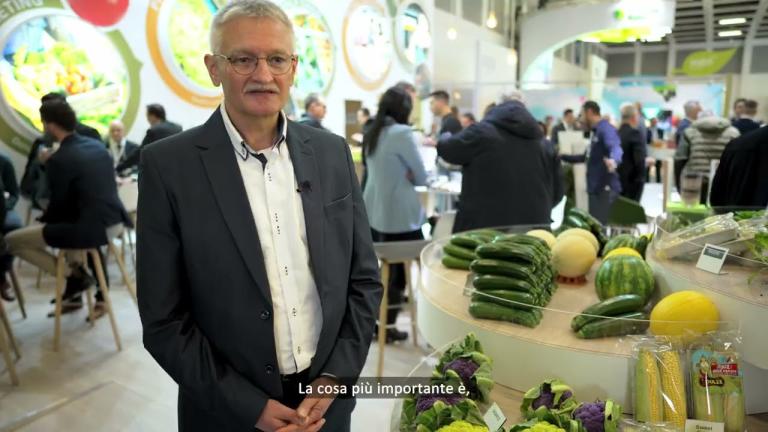
Syngenta Product Specialist for South-Western Europe Giuseppe Circella, based in Italy, says: “The challenge is to save seconds of time for each kilo to add up to better profitability for producers. Labor management and cost are major concerns. It isn’t likely to change.”
There are multiple causes for the labor headache, including aging workforces, rising wages, political tensions, and competition from sectors like construction and logistics.
Open, Upright Plants, Fewer Thorns, Longer Peduncles
Green zucchini is the main category in both the U.S. and Western Europe. Syngenta’s next-generation varieties are more open, upright and compact.
Workers can easily see the fruit and assess its readiness. Peduncles with long stems make it easier to cut the fruit cleanly from the plant without accidental damage. The plant structure also improves air flow, reducing the chances of disease development due to less favorable conditions for that development.
Data Shows 15% Reduction in Harvest Costs
Giuseppe points to a three-year field study (2020–2022) carried out in Italy in collaboration with an independent research company. The trials were designed to reflect real commercial conditions, covering several thousand square meters of open-field green squash.
The study compared three Syngenta varieties (MILOS, Amorgos, and Zefiros) with two leading competitor varieties under identical management. Syngenta’s plant architecture achieved a 15% reduction in harvest costs, along with a measurable yield benefit.
Consistency across years confirmed the results. Among the Syngenta varieties, Amorgos stood out as the easiest to harvest, while Milos and Zefiros delivered slightly higher yields but remained quick to pick.
Plant Breeding Meets Dynamic Challenges
New genetics are helping growers save time, reduce labor costs, and keep fresh produce flowing to global markets. Syngenta’s breeding stations work closely with R&D sites, maintaining a network of field trials across all major markets. Frequent collaboration between breeders, product specialists, and growers ensures that breeding targets reflect real-world production pressures.
With fresh vegetables so vital to food needs, breeding programs to adapt plants to changing challenges, whether labor shortages, disease pressure, or climate variability, help to ensure supply. Future breeding priorities for Syngenta include:
• Open, upright plant types across more squash segments (white, yellow, round, and with flower)
• Reduced or spineless traits for easier harvesting
• Continued resistance breeding against viruses
Giuseppe says: “Listening to producers, combined with strong market intelligence, ensures we produce solutions that meet dynamic trends.”
Learn more about Syngenta squash varieties here.
Labor Savings Stretches to Cantaloupe
Harvest indicators are another breakthrough innovation from Syngenta. Melons also face labor challenges as a hand-harvested crop. Long Shelf Life (LSL) varieties retain green shell color even when ripe, making it challenging and time-consuming for harvest crews to determine ripeness.
Syngenta's award-winning IDEAL Melons addresses this with a color-changing trait. The melon, currently grown in the U.S., South and Central America, and Australia turns to a straw color when it’s ready, facilitating quality through harvesting at peak ripeness.
© 2026 Syngenta. Some or all of the varieties may be protected under one or more of the following: Plant Variety Protection, United States Plant Patents and/or Utility Patents and may not be propagated or reproduced without authorization.