Syngenta Adds ToBRFV High Resistance & Multi-Gene Tomatoes
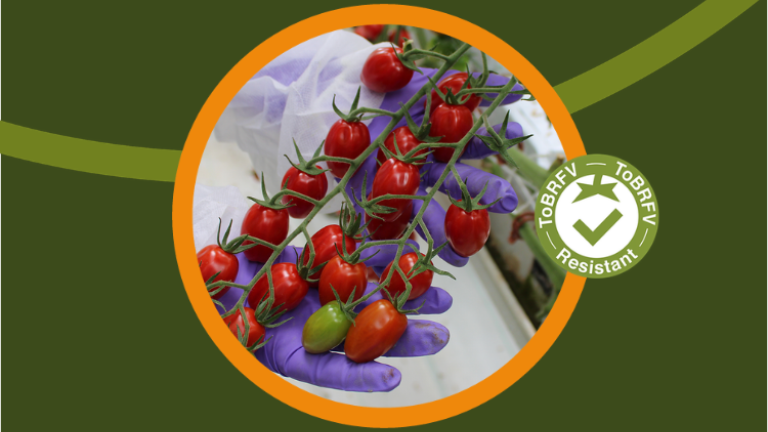
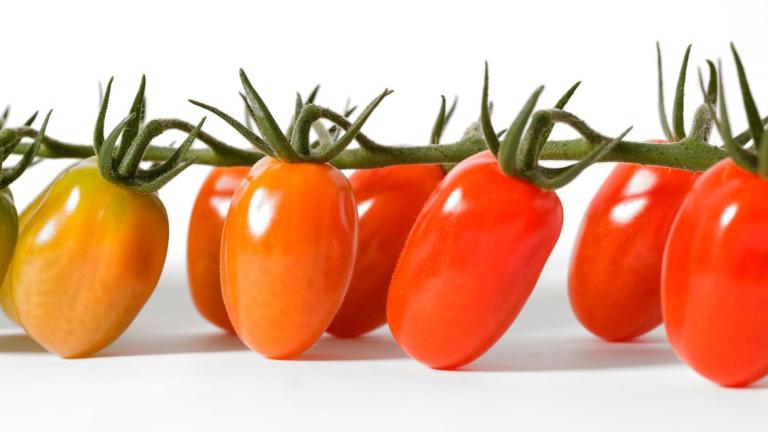
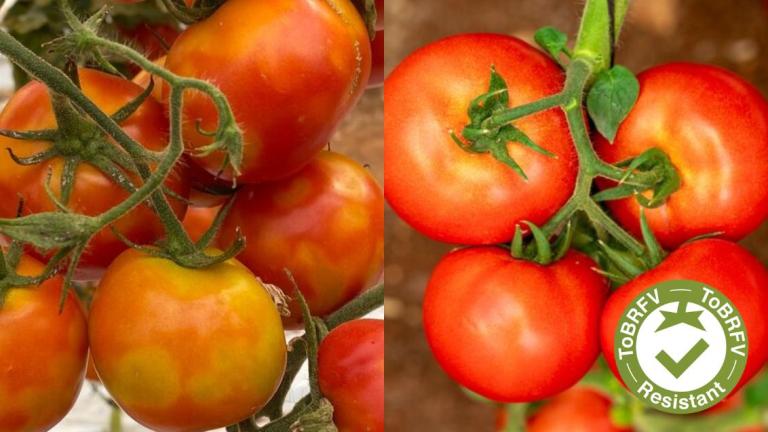
Syngenta Vegetable Seeds is adding Tomato Brown Rugose Fruit Virus (ToBRFV) high resistance (HR) to its robust tomato portfolio, starting this season. The four new baby plum and mini-cluster types include multiple sources of resistance and strong genetic backgrounds.
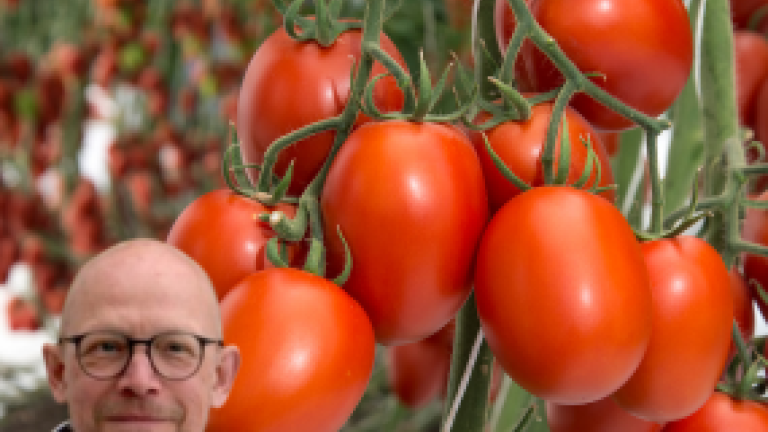
“We’re continuing to strengthen our tomato portfolio with improved genetics and resistance against ToBRFV and other important diseases,” said Norm Sissons, Global Solanaceae Product Head.
Syngenta’s broadening ToBRFV-resistant portfolio includes new HR varieties and new intermediate varieties (IR). These portfolio enhancements stretch a broad range of tomato types and serve both high- and mid-tech greenhouses. New products are built upon the foundation of Syngenta’s high-quality tomato genetics and now with multiple sources of resistance.
ToBRFV Resistance Proven in Studies
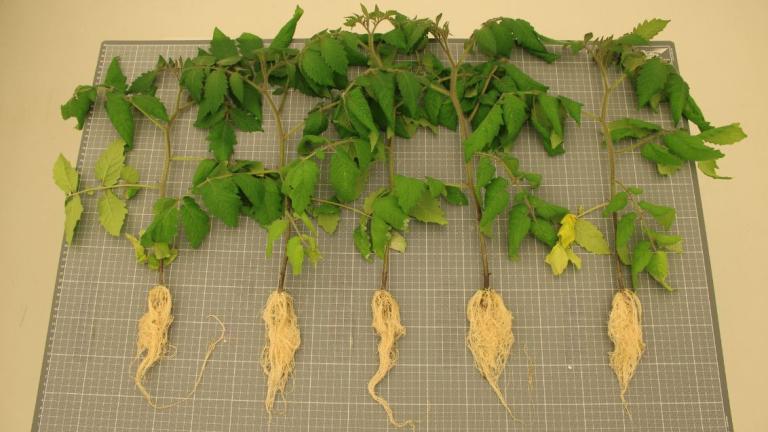
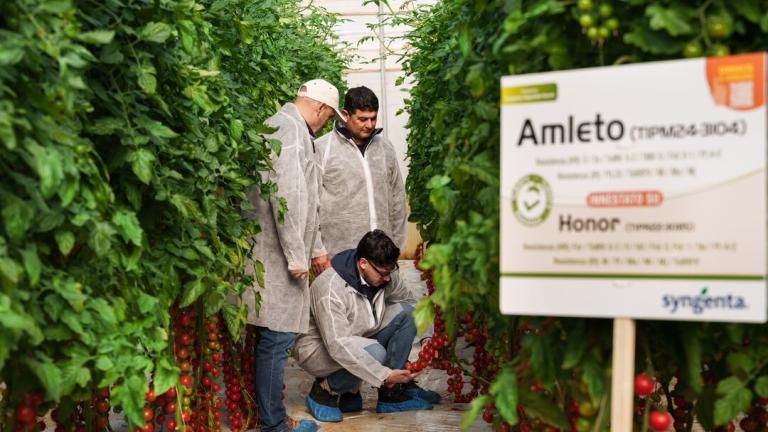
Every tomato variety with resistance at Syngenta is tested to determine resistance efficacy, resistance level, and how it fits into grower programs. This past year, Syngenta Vegetable Seeds performed adult plant testing at third party facilities to see real-world results of resistance under ToBRFV pressure.
“Through this testing, we found four varieties for launch in 2026 that met the International Seed Federation standard for HR,” Sissons said. “We compared them to susceptible varieties and other HR competitive benchmarks on the market.”
Beyond identifying HR varieties Syngenta is continuing to build out the entire tomato portfolio with beef, large cluster, on the vine, cherry, and more varieties. The next wave of new products will feature multiple resistance sources to further enhance the longevity of the resistance.
Management, Environment, and Genetics
Even with resistant varieties on the market – regardless of IR or HR designations – good management practices and controlling as many environmental factors as possible continues to be vital. Viruses, including ToBRFV, move quickly.
“It’s important that growers don’t just plant resistant varieties and forget the role good management practices and environment – specifically greenhouse hygiene – play in crop success,” said Arthur van Marrewijk, Syngenta Vegetable Seeds Active Greenhouse Technical Manager. “Growers should mind crops closely and ensure anyone who enters greenhouses adheres to hygiene standards.”
Research for Evolving Solutions
As ToBRFV continues to spread throughout the globe and new strains emerge, Syngenta Vegetable Seeds is dedicated to continued research into solutions. The introduction of four new HR varieties signals this commitment, as does introducing multiple sources of resistance in HR and IR products.
Stay up-to-date on the latest portfolio advancements at www.syngentavegetables.com