Grower-Centric Breeding Program Delivers Strong Pepper Hybrids
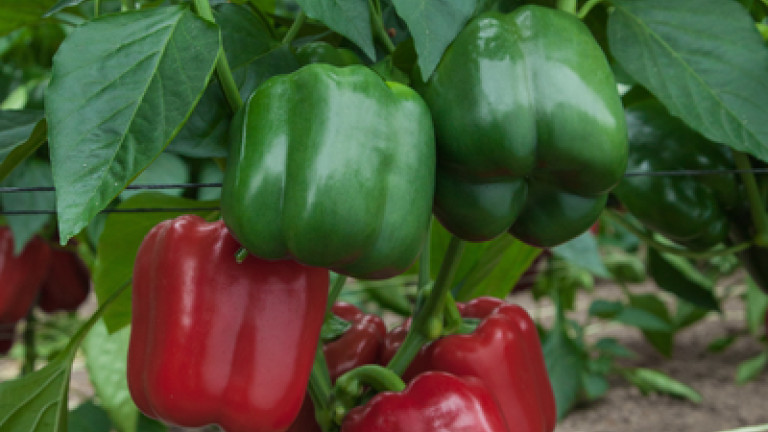
When the grower is at the center of a breeding program, everyone benefits. It’s why blocky – bell – pepper breeders at Syngenta Vegetable Seeds constantly seek grower input. The end result is sound agronomics with traits consumers are looking for.
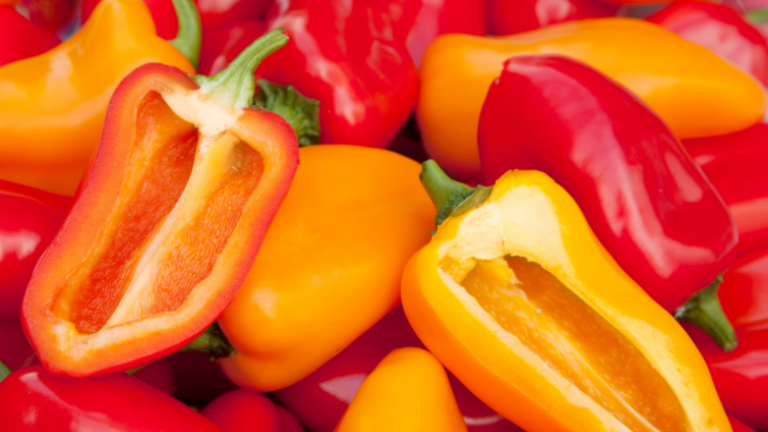
Miguel Guillen, product specialist for western United States at Syngenta Vegetable Seeds points out that in the United States, for example, growers predominately want green peppers. However, they have recently been asking for other options like yellow, red, orange and even purple. Growers are constantly looking to provide consumers with the options they are looking for, and Syngenta Vegetable Seeds gives them the tools to meet changing consumer demands.
“Growers are asking for high yields, disease resistances, and good adaptability for different growing areas,” Guillen says. “At Syngenta, we are prioritizing what growers need. We’re prioritizing the right resistance for our markets, good shape uniformity and size.”
Getting Global Grower Feedback for Regional Needs
Peppers are developed and tested at Syngenta Vegetable Seeds sites around the globe. By working with growers across the world, breeders ensure that the products provide strong adaptability to regional climates, diseases and consumer preferences. As breeders work with growers, they develop new products that meet the unique needs of the region. Then, extensive testing for localized growing challenges ensures that products will deliver exactly what growers need.
While trends and needs vary from region to region, one thing that is consistent across the globe is the need for hybrids with uniform shape and size that will stand up to post-harvest transportation and lower labor costs.
Disease Resistance for Local Climates
“For blocky peppers in the United States we are prioritizing disease resistance such as tomato spotted wilt virus, phytophthora, and bacterial leaf spot,” Guillen says.
This is key to protecting yield potential and, in some cases, preventing development of these diseases. For example, tomato spotted wilt virus is spread by thrips but can infect a variety of host crops. However, because thrips can complete their entire life cycle on a pepper plant, it is an important part of the development of this disease, according to the University of California. Hybrids with resistance are vital.
Guillen says listening to specific grower needs in terms of resistance helps provide them with the best solutions for their unique growing conditions.
Breeders at Syngenta Vegetable Seeds balance agronomic strengths with market appeal. Ultimately, a grower-first approach drives new innovation. By listening to challenges in the field and demands from consumer trends, these hybrids can thrive in diverse environments, and growers can confidently respond to new market opportunities.
“We heard what our growers needed, and we are proud to say that we are bringing them solutions,” Guillen says.
© 2026 Syngenta. Some or all of the varieties may be protected under one or more of the following: Plant Variety Protection, United States Plant Patents and/or Utility Patents and may not be propagated or reproduced without authorization.