Syngenta Brings Processing Sweet Corn and Garden Bean Innovation to Future of Veg in Plainfield
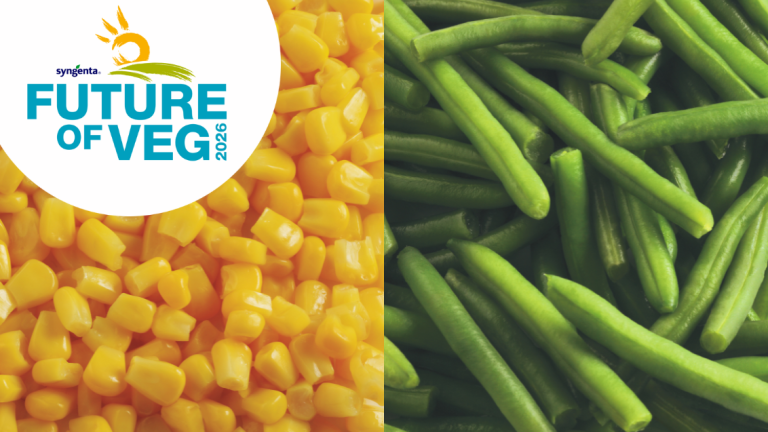
When a crop leaves the field and enters a processing facility, a new set of demands takes over. Yield matters, but so does how corn kernels hold up when canned or frozen, how bean pods move through a sorting line, and how consistently each crop performs from one harvest to the next. At Future of Veg in Plainfield, Wisconsin, this August, Syngenta Vegetable Seeds will showcase processing sweet corn and garden beans bred to meet those demands, from the ground up.
Built for the Processing Market
For processors, the difference between a good season and a great one often comes down to yield and recovery. Yield is what’s harvested from the field; recovery is the weight maintained after kernels are stripped from the ear. Both directly impact profitability and are central to how Syngenta evaluates its sweet corn hybrids.
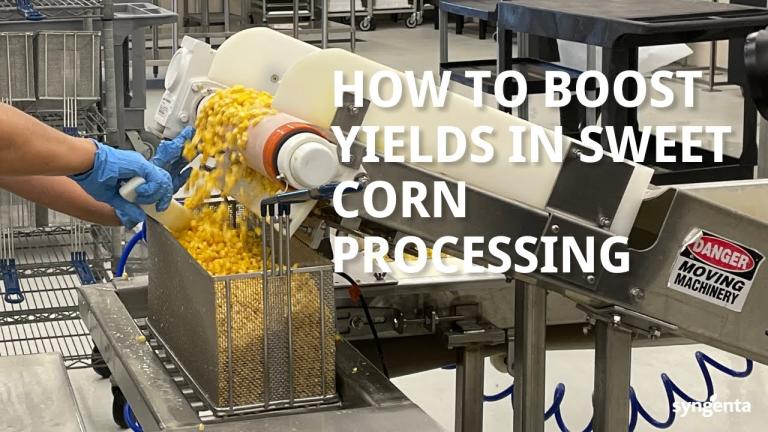
To understand processor needs with precision, Syngenta built its own FDA-certified sweet corn processing facility that mimics the equipment and conditions found in commercial canning and freezing operations. Researchers use it to evaluate hybrids at early stages of development, checking for harvest ease, husk removal, flow through the plant, and kernel recovery before a variety ever reaches a grower’s field.
“The Yield Accelerator is basically a miniature processing facility for sweet corn,” said Glenn McKay, Product Specialist U.S. Processing. “We are able to take sweet corn varieties at a very early stage in their development and run them through that facility to help us quantify the yield and recovery of those varieties.”
The result is a breeding program informed by real-world processing conditions, not just field performance. Syngenta is the only vegetable seed company investing in this kind of processing infrastructure, and the insights it generates feed directly into the hybrids growers will see on display in Plainfield.
Playing this video requires a marketing consent.
Click anywhere on the video to renew your consents.
Breeding Garden Beans for the Processing Chain
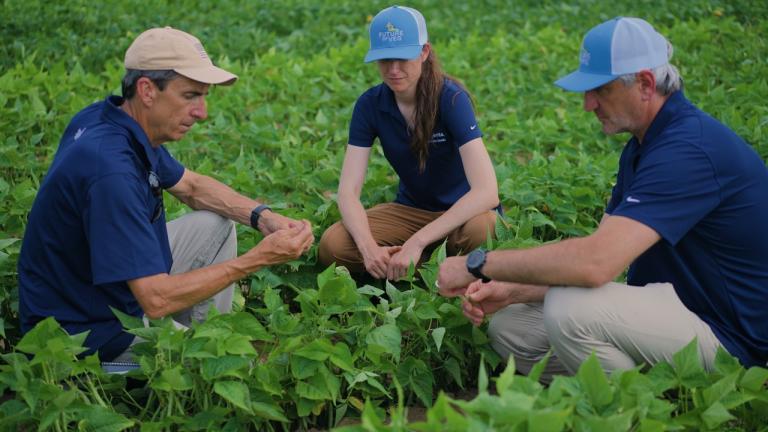
For garden beans, the processing story starts in the field but extends all the way to the can or freezer bag on a consumer’s shelf. Syngenta breeders prioritize plant architecture that supports efficient mechanical harvest, pod traits that hold up through transport and processing, and disease resistance that protects yield potential throughout the season.
“Some of the key traits for processor beans that we’re developing are a nice upright plant, great root structure that’s healthy, and then when you get above the ground, we want plants that have long straight pods, an open plant that allows the air to flow through, and a quality product that consumers will really enjoy,” said McKay.
“In terms of pod traits, of course, we need nice straight pods as well as the right sieve size to meet those specific products that they’re trying to process through their factories,” said Leith Plevey, Product Specialist, Australia, Sweet Corn, Garden Bean, and Peas.
“The biggest opportunity for processing beans is yield, yield, and yield. It is about the grower, but as well the yields that any processor can get as a recovery to maximize their profitability,” said Jerome Verdier, Global Crop Head, Sweet Corn, Pea, and Garden Bean.
Playing this video requires a marketing consent.
Click anywhere on the video to renew your consents.
Canned and frozen vegetables remain a staple for consumers across the United States, and Syngenta’s investment in both processing sweet corn and garden beans reflects a long-term commitment to that market. “The processing segment is an important segment for Syngenta and we continue to invest in that, whether the end product is canned vegetables or frozen,” said Jake Ware, Marketing Head USA East. “This continues to be a staple for American consumers and we look forward to continuing to partner with our customers.”
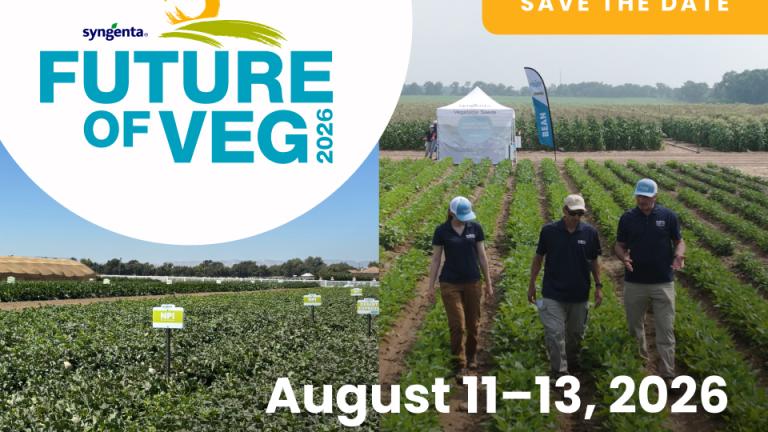
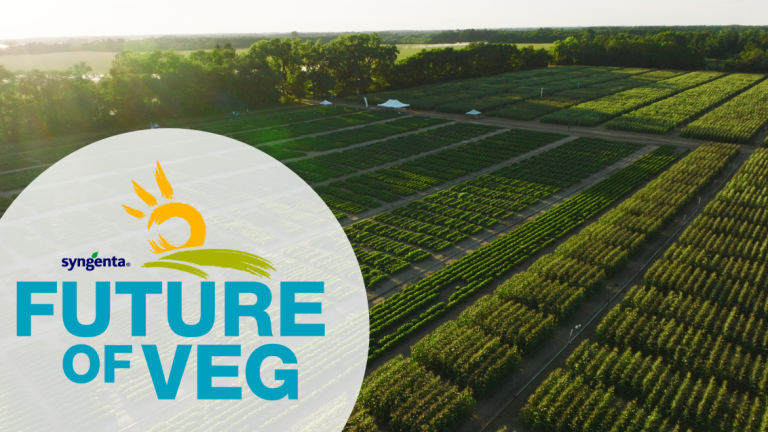
Growers and channel partners can see Syngenta’s processing sweet corn and garden bean varieties in the field at Future of Veg in Plainfield, Wisconsin, August 11–13, 2026. Register today to secure your spot.
All photos are either the property of Syngenta or used with permission.
Performance results may vary based on local climate conditions, geographic location, soil type, and growing practices. Consult with your local agronomist or extension service for region-specific recommendations.
© 2026 Syngenta. Some or all of the varieties may be protected under one or more of the following: Plant Variety Protection, United States Plant Patents and/or Utility Patents and may not be propagated or reproduced without authorization. The Syngenta logo is a trademark of a Syngenta Group Company.