Fresh Sweet Corn and Garden Beans Take Center Stage at Future of Veg in Plainfield

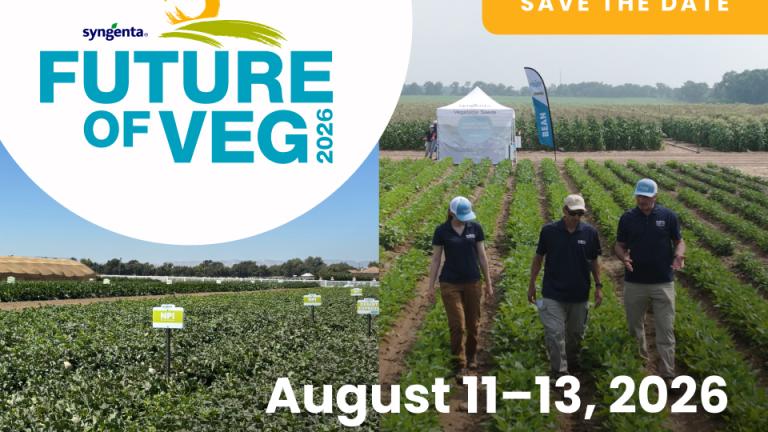
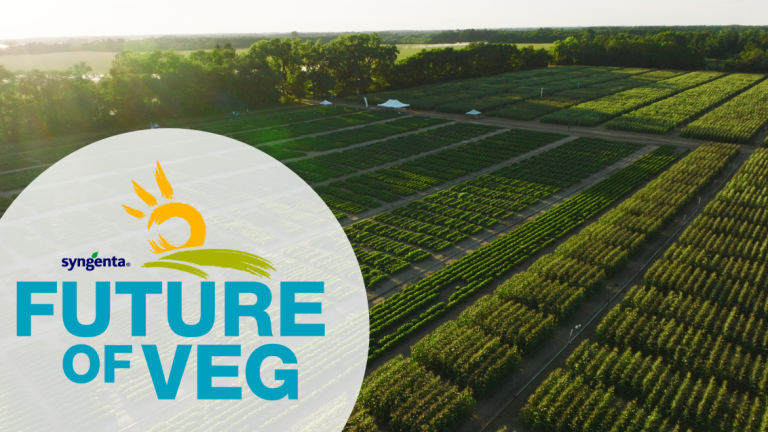
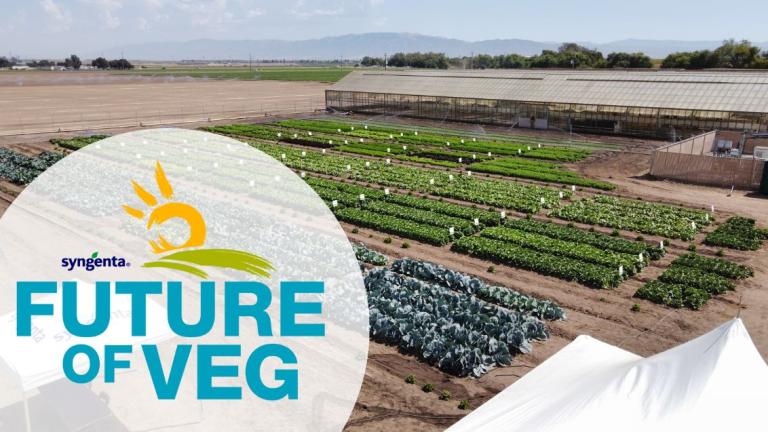
From taste and appearance to yield and dependability, growers expect a lot from their crops, and so do consumers. At Future of Veg in Plainfield, Wisconsin this August, Syngenta Vegetable Seeds will showcase two crops that deliver on both fronts: fresh sweet corn and garden beans. Attendees will have the opportunity to see Syngenta’s latest innovations in the field firsthand and connect with the breeders and specialists behind them. Join us in Plainfield on August 11–13, 2026 to see what’s possible.
Breeding Sweet Corn for Taste, Appearance, and Dependability
Sweet corn is a crop where consumers make their first judgment with their eyes. Husk color, kernel appearance, and overall freshness all factor into the buying decision before a single bite is taken.
“With sweet corn, you’re buying with your eyes,” says Johnny Parker, Product Specialist U.S. Sweet Corn, Fresh, at Syngenta Vegetable Seeds. “And that’s the reason we are breeding for diversity in color with yellow, bicolor, and white in order to match the consumer preference.”
Appearance is only part of the equation. Taste, and specifically sweetness, is where consumer loyalty is built. Syngenta offers several sugar content options across its sweet corn portfolio, including Sugary, Sugar Enhanced, SuperSweet, and TripleSweet varieties. SuperSweet (sh2) varieties contain four to ten times more sugar than traditional sugary sweet corn, while TripleSweet varieties are bred for the distinctive sweet corn taste consumers have come to crave, offering a tender, deep-kernelled eating experience.
“For us, it’s not only about the sugar content in corn,” Parker says. “You know, it almost seems like some of the breeding companies are breeding for really high sugar, where it’s almost like you’re putting a sugar cube in your mouth. We help protect the taste and quality in addition to sugar. Corn should taste like corn, and we’re finding hybrids that hit that perfect blend of sweet and flavorful.”
Post-harvest performance matters as much as field performance. Syngenta breeders focus on husk depth and color retention, as well as the ability of varieties to maintain sugar levels during transit and storage without converting to starch. Shelf life and standability are equally important.
“One way we, literally, stand above is with our standability,” Parker says. “Where other hybrids will turkey neck, lodge, you’ll find Syngenta standing tall. This is incredibly helpful at harvest, but also in reducing some diseases.”
Syngenta’s fresh sweet corn lineup includes varieties with the Attribute II trait, which provides tolerance to glyphosate and glufosinate herbicides and above-ground insect resistance, giving growers an additional layer of crop protection across the season. Varieties are available in yellow, bicolor, and white, and are trialed extensively across the U.S. to ensure performance holds across diverse growing environments and seasons.
“We’ve been working really closely with the breeding team so we can start selecting for traits that our grower partners and distributors are really looking for,” says Cassidy Neilitz, Technical Sales Representative. “And I’m really excited because we’re starting to see those come down the pipeline.”
Crisp, Fresh Garden Beans Built for Growers and Consumers
Garden beans represent a significant and growing opportunity for fresh market growers. Rising consumer demand for convenient, healthy food options has made fresh garden beans a reliable segment, and Syngenta Vegetable Seeds is working to ensure growers have the genetics to meet it.
“The biggest opportunity for garden beans in the fresh segment is a strong demand for consumption due to the trend toward convenient and healthy food,” says Jerome Verdier, Global Crop Head, Sweet Corn, Pea, Garden Bean.
Meeting that demand starts in the field. Syngenta breeders focus on yield potential as a foundation, developing varieties that consistently set high pod counts and carry the stress tolerance to maintain performance under heat, drought, and other challenging conditions. But yield alone isn’t enough. For fresh market beans, quality and appearance are equally critical.
The ideal fresh market bean has a straight pod, 13 to 15 centimeters in length and around 10 millimeters in diameter, with a dark, even color. Plant architecture matters too. An upright plant with an open structure and strong root system promotes good airflow, supports mechanical harvest, and helps maintain the consistent pod quality that packing houses and buyers demand.
Disease and pest management are built into Syngenta’s breeding approach for garden beans. The program addresses a range of common challenges that can affect yield and crop quality across growing regions, with an emphasis on developing varieties that hold up across diverse field conditions.
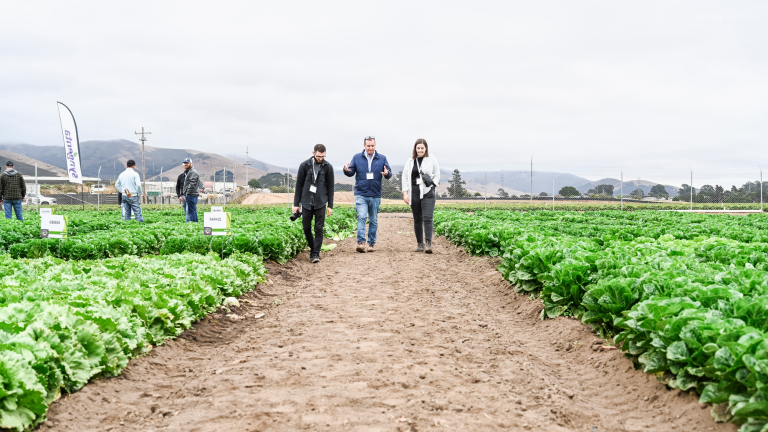
Grower input drives every step of the development process. Syngenta researchers spend time in the field and in packing houses alongside growers to understand needs at both the production and commercial levels.
“We spend a lot of time in the field with growers throughout the world understanding what their needs are, because things are evolving very quickly in vegetables,” Glenn McKay, Product Specialist, U.S. Processing, Sweet Corn, Pea, Garden Bean, says. “So we spend a lot of time with growers, both at the product development and field levels.”
“Obviously, we have to make the plant successful and bring the yields and quality that the growers need,” Parker adds. “We listen to what they have to say. We go back, we bring that into the breeding program, and then we bring that into the pipeline and into the portfolio.”
Fresh sweet corn and garden beans will both be on display at Future of Veg in Plainfield, Wisconsin, August 11–13, 2026. Join Syngenta Vegetable Seeds in the field to see the latest innovations up close and connect with the specialists and breeders behind them.
Register for Plainfield Field Day
© 2026 Syngenta. Some or all of the varieties may be protected under one or more of the following: Plant Variety Protection, United States Plant Patents and/or Utility Patents and may not be propagated or reproduced without authorization. The Syngenta and Attribute® logos are registered trademarks of a Syngenta Group Company.