New Second-Generation Clubroot-Resistance Unlocked
Twenty years after Syngenta Vegetable Seeds launched its first clubroot-resistant brassicas, the company is first to market with second-generation resistance.
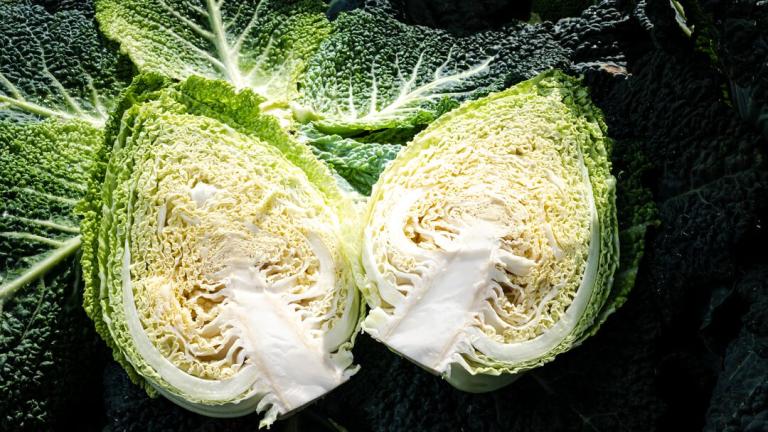
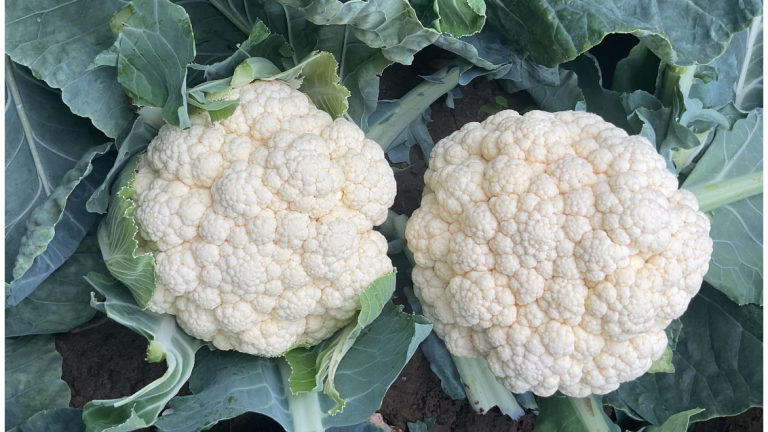
Our new second-generation clubroot resistant brassica varieties, including two cauliflower available for the next growing season and additional white cabbage varieties in trials.
“Part of our newest range will have this resistance covering all 4 official pathotypes or races,” said Pim Neefjes, Global Crop Unit Head, Leafy and Brassicas.
Clubroot, which is dispersed via soil, machines and boots, can persist in soil for seven years. It’s estimated that clubroot is present on 15% of brassica acreage worldwide, and it’s most troublesome in areas with higher temperatures and moist soils.
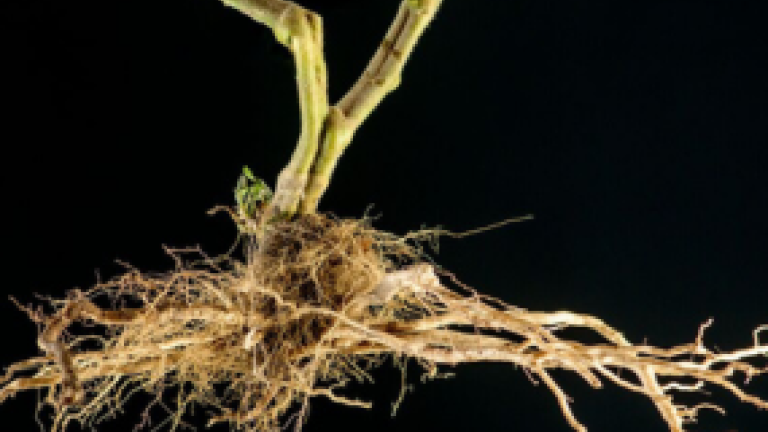
Clubroot resting spores, once germinated, penetrate root hairs of susceptible plants in order to infect the main root. Via cell division, these spores grow into “clubs” on the roots, which restrict nutrient and water absorption. Infected plants wilt and die as the club growths release new spores into the soil.
Syngenta has been tirelessly working on clubroot resistance since 1987 when Peter Tjeertes started a program that eventually led to the 2005 release of cauliflower and white cabbage clubroot-resistant varieties.
First-generation resistant varieties include protection for three pathotypes of clubroot, but the second-generation varieties include new resistance to Pb:2, covering the four known pathotypes. However, the most predominant isolates, Pb:0.1 and 3 are covered under both first- and second-generation resistant varieties.
Crop Management Essential for Clubroot
While resistance can improve yields, good agronomy is essential for growers with clubroot-infected soil.
“This is ideal for growers who have clubroot, but it’s important to maintain good agronomic practices. Work with local Syngenta representatives for more location-specific insights,” Neefjes said.
Key ways to mitigate clubroot include: maintaining high pH soil, ensuring good drainage, and rotating crops. Because clubroot can persist for seven years, brassicas should ideally be rotated out for long periods of time. So-called ‘bait’ crops or grasses can be used to induce clubroot resting spores into germination, without risk of infection.
In addition to clubroot resistance, Syngenta breeders are working to develop varieties with a combination of foliar fungal resistance, including white and savoy cabbage varieties with resistance against mycosphaerella, white blister and clubroot combined.
Disclaimer: Syngenta's first generation clubroot resistance is effective against races Pb:0, Pb:1, and against the less frequent race Pb:3. Second generation varieties additionally cover race Pb:2. Check the individual variety specifications to confirm which resistances apply to your variety.
© 2026 Syngenta. Some or all of the varieties may be protected under one or more of the following: Plant Variety Protection, United States Plant Patents and/or Utility Patents and may not be propagated or reproduced without authorization.
The trademarks or service marks displayed or otherwise used herein are the property of a Syngenta Group Company.