ToBRFV Resistance: Understanding IR V. HR
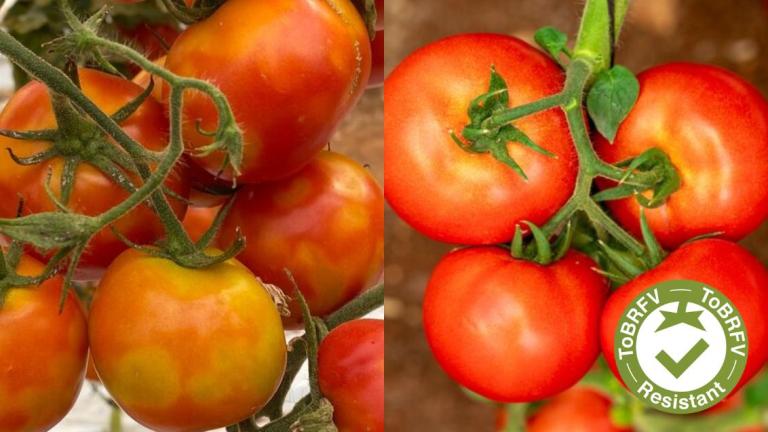
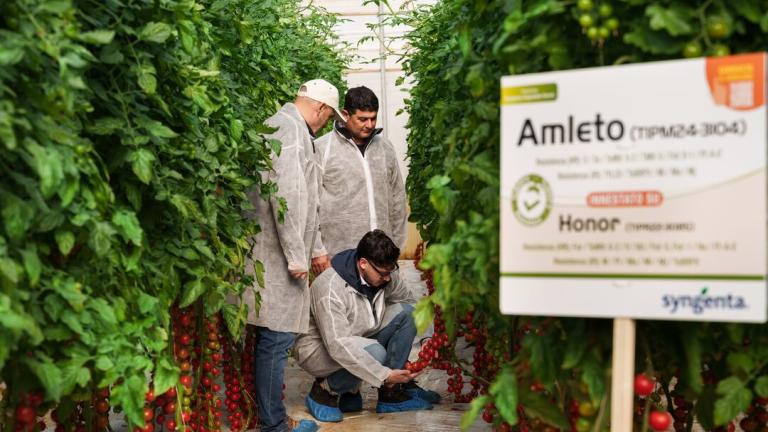
For the past decade, tomato growers have been fighting against Tomato Brown Rugose Fruit Virus (ToBRFV). In 2020, resistant varieties hit the market, starting with varieties from Syngenta Vegetable Seeds. But five years later, how do growers navigate the dozens of companies that claim various levels of resistance to find one that works and helps them achieve their goals?
Why Syngenta Opted for IR Designation
There’s no proverbial ‘silver bullet,’ no genetics, spray, or management method is perfect and will completely stop the infestation of ToBRFV. With pressure there’s symptoms, because no one is selling total immunity.
“We took a conservative approach and consider our first trait intermediate resistance to heavy ToBRFV infestation,” said Norm Sissons, Solanaceae Crops Strategy Head. “That doesn’t mean it’s less effective, our surveys with customers and internal performance data results show competitive and effective resistance compared to competitors that claim high resistance.”
We test varieties in real-world conditions, and the real world isn’t perfect, and growers all have different levels of pressure and management styles. What might be high resistance for one grower, might only show intermediate protection for another.
Syngenta is a global company with some growers who work in high-tech greenhouses with all of the latest technologies, and we work with other growers who use greenhouses that don’t have all of the controls and tools – so the needs and demands for the trait are different.
“We're committed to continuing to support and develop additional traits with durable resistance to ToBRFV in current and future tomatoes,” Sissons explained. “All while maintaining high yield potential, superior fruit quality and taste, and long shelf life.”