Syngenta’s new Brussels Sprout Variety 'Lucius' Revolutionises Scottish Cultivation
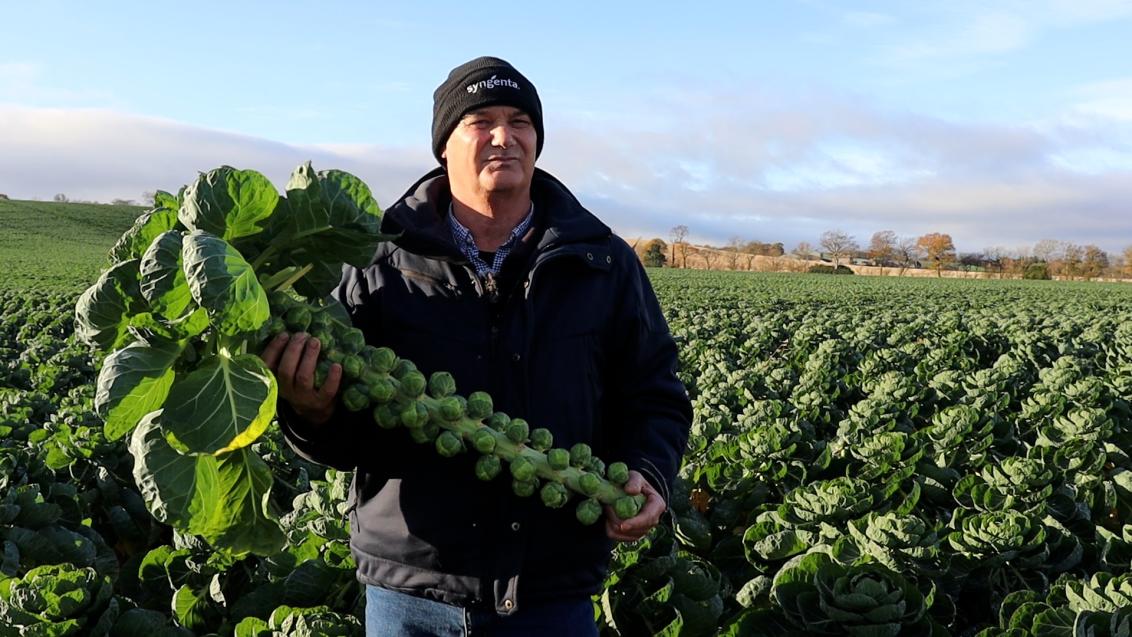
In a significant development for the agricultural sector in Scotland, Syngenta’s new Brussels Sprout variety named 'Lucius' is making waves among growers and agronomists alike and is proving to be a game-changer in the cultivation of this popular winter vegetable.
A Promising Discovery
Jeff Layton, a seasoned agronomist with Kettle Produce, has been at the forefront of testing and implementing this innovative variety. With over two years of trials across diverse soil types in Scotland, Jeff’s expertise has been crucial in assessing the potential of Lucius.
"We've grown this variety for 2 years now on different soil types here in Scotland, and the crop has performed excellently on all the different soil types," Jeff reported during a recent field visit. His enthusiasm for Lucius is evident, as he recounts the journey from its initial discovery to its current success.
From Trial to Triumph
Jeff’s involvement with Lucius began during his oversight of Syngenta's trials in Scotland. "I look after the Syngenta trials here in Scotland, the planting and the growing of the crop," he explained. "This is really beneficial because it gives an insight into new varieties coming through."
It was during these trials that Lucius, then known by its code name '1798', first caught Jeff’s attention. "I picked this up as a potential variety in the trials, and we have developed it since in terms of growing a larger area of the crop," he said. The success of these initial plantings has led to plans for even more extensive cultivation in the future.
Standout Features of Lucius
What sets Lucius apart from other Brussels sprout varieties? Jeff outlined several key characteristics that make it particularly well-suited to Scottish growing conditions:
- Vigorous Growth: "Lucius is a vigorous variety. It grows tall, which makes it ideal when conditions aren't great for the growing of the crop," Jeff noted. This resilience is particularly valuable in Scotland's often challenging climate.
- Strong Standing Ability: Despite its height, Lucius "tends to be slightly taller than other varieties, but it does stand up and tends not to lodge," according to Jeff. This reduces the risk of crop loss due to falling or bending stems.
- Easy Leaf Drop: One of the most praised features of Lucius is its leaf-dropping characteristic. "The leaves drop very easily off this variety," Jeff explained. This not only facilitates harvesting but also contributes to disease prevention.
- Optimal Button Spacing: Jeff highlighted that "because there's plenty of space between the buttons, it also means the buttons don't become too large and they're the perfect size for the prepack market." This uniformity is highly desirable for commercial growers and retailers alike.
- Improved Air Circulation: The combination of easy leaf drop and optimal button spacing results in better air movement around the sprouts. As Jeff points out, "Because the leaves drop, it means that there's more air movement around the buttons, which can reduce the incidence of disease."
- Timely Maturation: Lucius is particularly well-suited to the crucial holiday market. "It is also a variety that is usually ready in December, especially for the Christmas period," Jeff noted, highlighting its potential to meet peak demand.

Implications for Scottish Agriculture
The success of Lucius in Scottish trials has significant implications for the region's agricultural sector. Brussels Sprouts are an important crop in Scotland, particularly during the winter months when fresh, locally-grown vegetables are in high demand.
The variety's resilience to varying soil types and challenging growing conditions makes it an attractive option for farmers across different parts of Scotland.
Moreover, the disease-resistant properties of Lucius, stemming from its improved air circulation, could result in reduced pesticide use. This aligns well with growing consumer demand for more sustainably produced vegetables and could offer Scottish growers a competitive edge in the market.
Looking to the Future
As Syngenta continues to innovate in vegetable breeding, the success of Lucius serves as a testament to the potential of targeted crop development. Jeff’s experience with the variety underscores the importance of local trials and the valuable insights that can be gained from close collaboration between breeders, agronomists, and farmers.
"I'm fortunate enough to trial Syngenta varieties here in Scotland," Jeff reflected. "And we're very pleased with the results and the crop that we have this year." His optimism is shared by many in the Scottish agricultural community, who see Lucius as a promising addition to their crop rotations.
Conclusion
The success story of Lucius serves as a reminder of the ongoing innovation in agricultural science and the tangible benefits it can bring to farmers, consumers, and the broader agricultural sector. As Scotland continues to navigate the challenges of climate change and evolving market demands, varieties like Lucius offer a glimpse of a more resilient and productive future for the nation's farmers.