
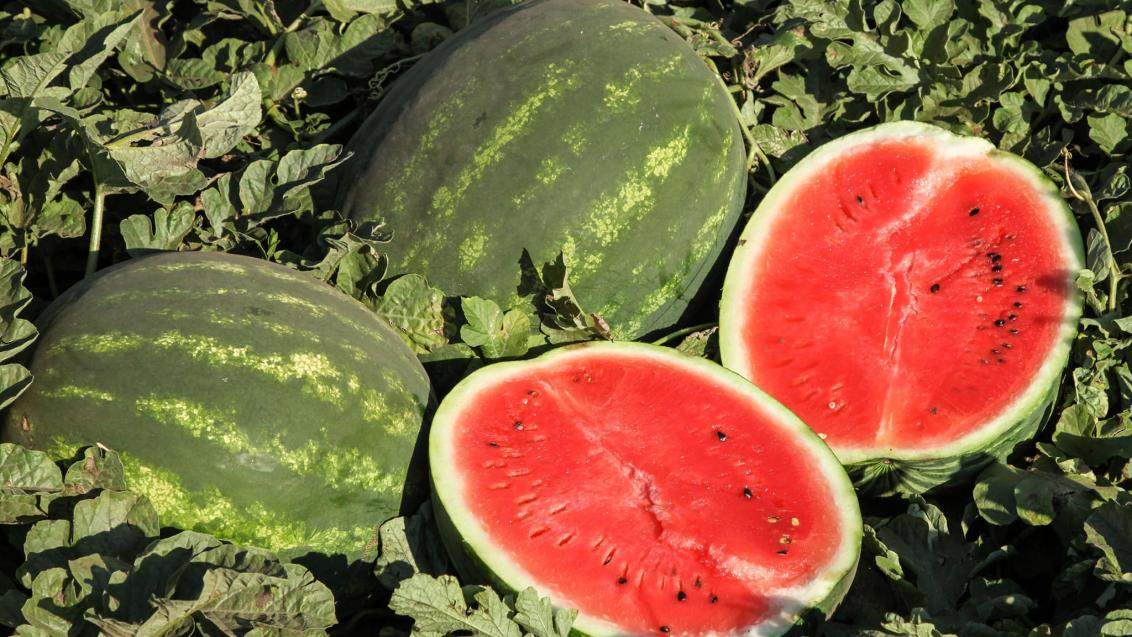
Watermelon Seeds
Cultivating Flavor and Market Value in Zimbabwe
Syngenta leads the watermelon category in Zimbabwe by offering a premier portfolio known for excellent fruit size, sweetness, and strong field performance. Our varieties are engineered to not only meet the specific needs of growers and traders but also to deliver the superior taste and quality demanded by consumers.

High Commercial Yield Potential

Diverse Watermelon Options

New Seedless Varieties
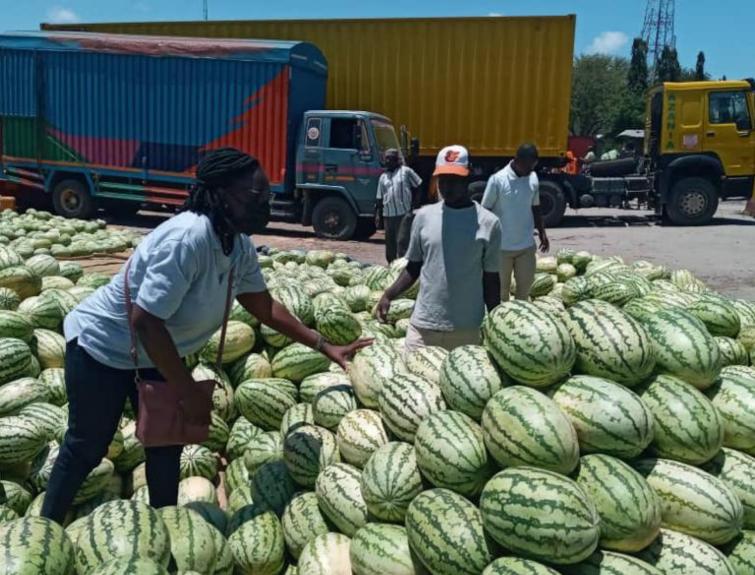
Our Portfolio Promise: Balanced Excellence for Zimbabwe
Syngenta's watermelon portfolio is engineered for the Zimbabwean market, balancing robust field performance for stable yields with exceptional internal quality for repeat consumer purchases and premium value.
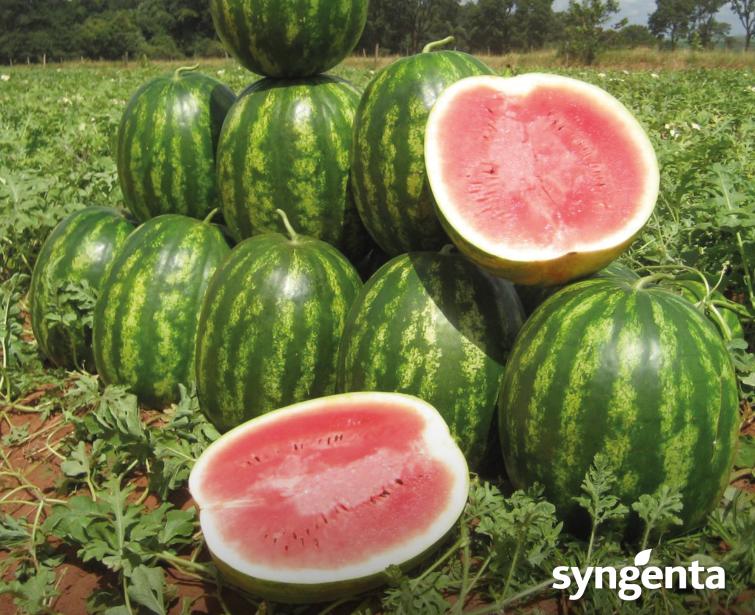
Key Varieties, Traits & Benefits
Syngenta is committed to providing varieties that create value throughout the supply chain, from the farm gate to the consumer's table. Syngenta's varieties for Zimbabwe maximize profitability for growers with High Yield Potential, Disease Resilience, Optimal Uniformity, and Excellent Shelf Life to reduce transport losses. Crucially, they secure consumer loyalty by delivering Superior Internal Quality (deep red flesh, crisp texture) and high, consistent Sugar Content (Brix).
Growing Tips
For optimal results with Syngenta watermelon seeds in the Zimbabwean climate, consider these tips:
- Soil Preparation: Watermelons thrive in well-drained, sandy loam soils with a pH of 6.0 to 6.8. Ensure the field is well-prepared, with adequate organic matter.
- Planting: Sow seeds at the right time, typically between September and December. Plant in a nursery and transplant once the seedlings have developed two to three true leaves.
- Irrigation: Watermelons require consistent moisture, especially during flowering and fruit development. Drip irrigation is highly recommended to conserve water and prevent foliar diseases.
- Fertilization: A balanced fertilization program is crucial. Consult with your local Syngenta representative for a tailored plan based on soil analysis.
- Pest and Disease Management: Even with our resistant varieties, a proactive management strategy is essential. Monitor for pests and diseases regularly and apply crop protection products as needed.